Source FDA RoHS Molding Silicone Rubber for Seals, Ink, and Parts
Find FDA RoHS molding silicone rubber for industrial seals, household ink, and electronic components. Compare 30 verified listings featuring O-rings, liquid silicone ink, and custom molded parts with certifications like RoHS, REACH, and FDA. Evaluate viscosity, temperature resistance, and packaging options to select the right material for your manufacturing needs.
Key considerations
Products List




Comprehensive Sourcing Guide
FDA RoHS Molding Silicone Rubber Sourcing Guide
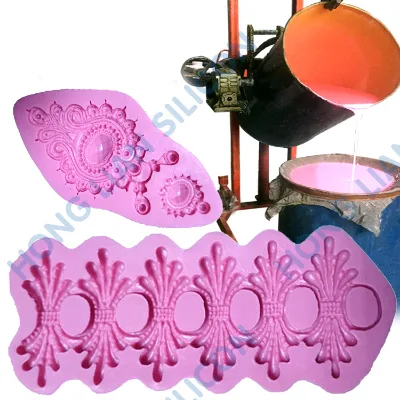
Buyers must first distinguish between liquid silicone inks and solid rubber components, as the supplied data indicates distinct product categories under the same material family. The observed listings reveal applications ranging from embossed logos on textiles to dynamic sealing in industrial machinery, requiring different formulation approaches for each use case. Understanding whether the procurement need involves a coating agent or a structural O-ring is the primary step in defining the technical scope before engaging with suppliers.
The observed product range includes specific models like TCS-5230 and TCR5230 for ink applications, alongside generic O-ring listings with custom drawing capabilities. This variation suggests that a single supplier may offer both fluid and solid forms, but the buyer must verify the specific physical state required for their manufacturing process. Clarifying the intended end-use, such as household appliance sealing versus electronic product decoration, ensures that the selected material possesses the necessary viscosity or rebound resistance for the final assembly.
Product Scope and Observed Listing Signals
The market data indicates a wide spectrum of packaging formats, from 20kg barrels for industrial ink applications to 1kg pots and 25kg iron drums for rubber components. Buyers should note that the observed shelf life is typically one year when sealed at room temperature, which necessitates careful inventory planning to prevent material degradation before use. The presence of both sea and air shipping options suggests flexibility in logistics, yet the heavy nature of the 25kg drums may influence freight cost calculations for large volume orders.
Observed customization options allow for specific color requirements, such as transparent finishes, and the ability to produce parts based on customer designs in formats like PDF or STEP files. This flexibility is critical for industries requiring unique cross-section shapes or specific dimensions that standard catalog items cannot fulfill. However, the buyer must confirm that the customization capability extends to the specific material properties needed, such as the high precision and lack of burrs observed in the O-ring listings.
Technical Specifications to Verify
Technical verification must begin with the operating temperature range, as the observed data specifies a functional span from -40 to 220 degrees Celsius for silicone rubber components. This wide thermal tolerance is essential for applications involving vehicle parts or machinery where extreme heat or cold exposure is anticipated. Buyers should request specific viscosity data for liquid silicone products to ensure the material flows correctly during the molding or printing process without compromising the final product's structural integrity.
The curing mechanism is another critical specification, with heat curing identified as the standard method for the observed silicone inks. Procurement teams must ensure their production facilities are equipped with the necessary thermal equipment to achieve the required cure cycle, as improper curing can lead to adhesion failures or incomplete cross-linking. Additionally, verifying the production style, whether compression, injection, or extrusion, is vital to match the buyer's existing manufacturing capabilities and tooling investments.
Compliance and Safety Documentation
Compliance verification requires a rigorous review of the certification suite, as the observed listings frequently cite RoHS, REACH, and FDA approvals alongside Oeko-Tex 100 and SGS reports. These certifications are non-negotiable for products entering the medical, household, or food-contact sectors, where regulatory adherence is strictly enforced by international standards. Buyers must request current, valid certificates for each specific product model to ensure that the compliance status has not expired or been revoked since the initial listing.
The safety profile of the material is further reinforced by attributes such as being non-toxic, waterproof, and scratch-resistant, which are explicitly noted in the product advantages. For applications involving dynamic sealing or static sealing in household appliances, these properties ensure long-term reliability without leaching harmful substances into the environment. Procurement teams should verify that the "Non-Toxic" claim is backed by specific test results relevant to the intended application, rather than relying solely on general marketing statements.
Cost Drivers and Commercial Terms
Cost structures are heavily influenced by the order volume, with observed minimum order quantities ranging from a single unit to 100,000 units depending on the product type. Buyers should anticipate that smaller batches may incur higher per-unit costs due to setup fees for custom molds or ink formulations, whereas large volume orders can leverage economies of scale. The lead time, observed to be between 5 and 20 days based on order volume, also plays a significant role in the total cost of ownership, particularly for time-sensitive production schedules.
Packaging standards vary significantly, with options including polybags, cartons, plastic drums, and iron drums, each impacting the final landed cost differently. The choice of packaging must balance protection requirements with shipping efficiency, as the 20kg barrel format for inks differs vastly from the 1kg pot format for rubber samples. Buyers should negotiate terms that account for the specific packaging needs of their logistics chain to avoid unnecessary damage or handling fees during transit.
Supplier Qualification and Quality Control
Supplier qualification should focus on the geographic origin and manufacturing capabilities, with observed production centers located in Guangdong, Dongguan, and Ningbo in China. These regions are known for established silicone manufacturing ecosystems, but buyers must verify the specific factory's capacity to handle custom designs and maintain consistent quality across batches. The ability to provide drawings in multiple formats like IGS and CAD indicates a mature engineering team capable of supporting complex product development cycles.
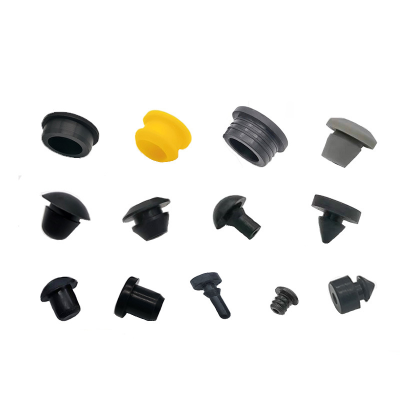
Quality control processes must be validated through the supplier's adherence to standards such as FDA, RoHS, and SGS, which are listed as part of their standard compliance. Buyers should implement incoming inspection protocols to verify critical attributes like high precision, no burrs, and excellent rebound resistance, which are key performance indicators for the observed O-ring products. Establishing a clear communication channel for defect reporting and resolution is essential to maintain the high standards required for industrial and medical applications.
Long-Term Procurement Checks
Long-term procurement success depends on monitoring the stability of the supply chain, particularly regarding the shelf life and storage conditions of the silicone materials. Since the observed shelf life is one year at room temperature, buyers must implement a first-in-first-out inventory system to prevent material spoilage and ensure consistent performance in the final product. Regular audits of the supplier's production records can help identify any drift in quality metrics that might not be immediately apparent in the initial samples.
Continuous verification of the supplier's certification status is crucial, as regulatory requirements for RoHS, REACH, and FDA can evolve over time. Buyers should schedule periodic re-verification of the supplier's compliance documentation to ensure that the materials remain suitable for their intended applications in the medical, industrial, or household sectors. Building a relationship based on transparent communication and shared quality goals will help mitigate risks associated with supply chain disruptions or regulatory changes.
FAQs
What certifications are available for silicone rubber products?
Certifications such as RoHS, REACH, FDA, Oeko-Tex100, and SGS are available for these silicone rubber products. These credentials ensure compliance with international safety and environmental standards. Buyers can verify specific documentation based on their regional regulatory requirements and industry applications.
Can silicone rubber be customized for specific industrial needs?
Yes, customization is available for various industrial and medical applications. Manufacturers offer tailored solutions including specific models like TCS-5230 or TCR5230. Custom designs can be accommodated using formats like PDF, IGS, STEP, CAD, and JPG to meet precise engineering specifications.
What is the temperature range for silicone rubber O-rings?
Silicone rubber O-rings typically operate within a temperature range of -40 to 220 degrees Celsius. This wide range supports dynamic and static sealing in vehicles, household appliances, and electronic products. The material maintains excellent rebound resistance and durability under varying thermal conditions.
How is silicone ink cured during the molding process?
Silicone ink undergoes heat curing to achieve proper adhesion and durability. This process is suitable for embossed logos and detailed surface applications. The curing method ensures the ink remains stable and resistant to wear, making it ideal for industrial components and medical devices requiring precise detailing.
What packaging options are provided for silicone rubber materials?
Packaging options include 20kg barrels, 1kg pots, 5kg and 10kg plastic drums, and 25kg iron drums. These containers are designed for sea or air freight. The packaging ensures product integrity during transit, with a shelf life of one year when stored sealed at room temperature.
Where are these silicone rubber products manufactured?
Products are manufactured in Guangdong, Dongguan, Shangrao, and Ningbo, China. These locations serve as key production hubs for silicone rubber components. Buyers can source from these regions to access established supply chains and verified manufacturing capabilities for various silicone applications.
What is the lead time for silicone rubber orders?
Lead times range from 5 to 20 days based on order volume. This timeframe allows for efficient production scheduling and timely delivery. Buyers should consider order size when planning procurement, as larger quantities may require additional processing time to meet quality standards and delivery commitments.